Queen Charlotte's Ball at downtown

ABOUT THE EVENT

Queen Charlotte’s Ball remains one of the most distinguished traditions of The London Season, celebrated for its heritage, elegance, and ceremonial presentation., a historic annual occasion that has graced London’s social calendar for over two centuries. Named after Queen Charlotte, wife of King George III, who instituted the tradition of presenting young ladies at court in 1780, this distinguished ball continues to continues to preserve the traditions and social customs associated with The London Season.

Queen Charlotte’s Ball has been held at a number of distinguished historic venues, rhosted within a selection of distinguished historic venues associated with British cultural tradition of the London Season tradition.

———— THE GRANDEUR ————

An Evening of Tradition & Elegance

THE EVENING

The Order of the Evening

Every element of the evening is Each part of the evening follows longstanding ceremonial traditions associated with The London Season.

The Presentation

THE DEBUTANTE CEREMONY

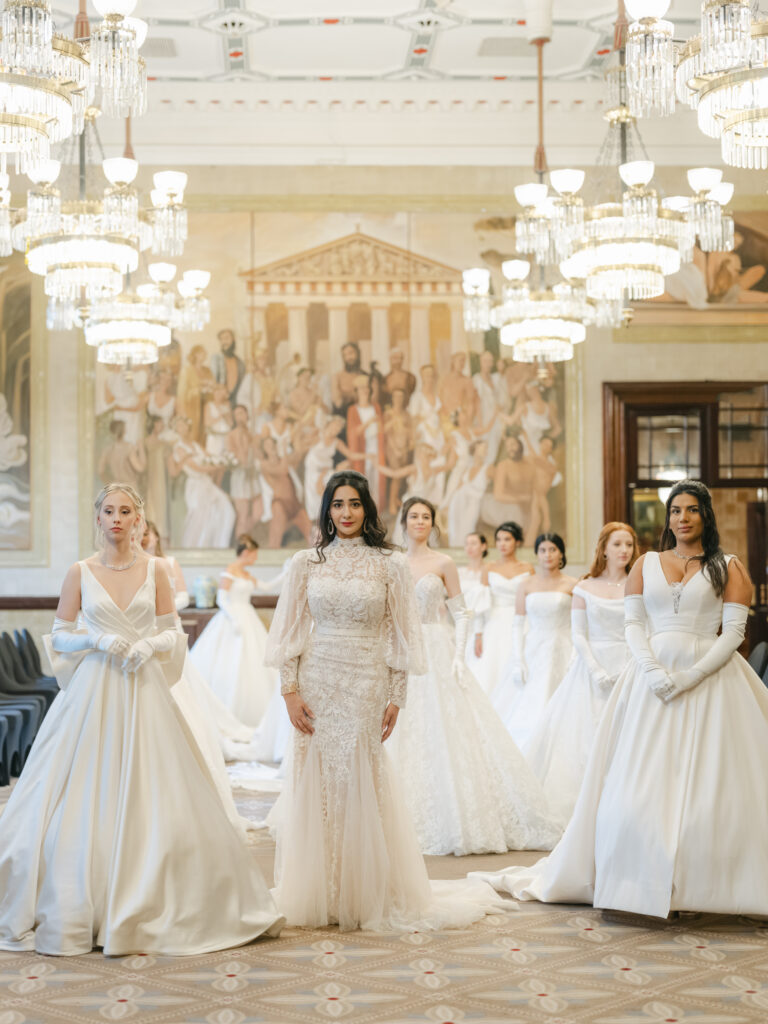
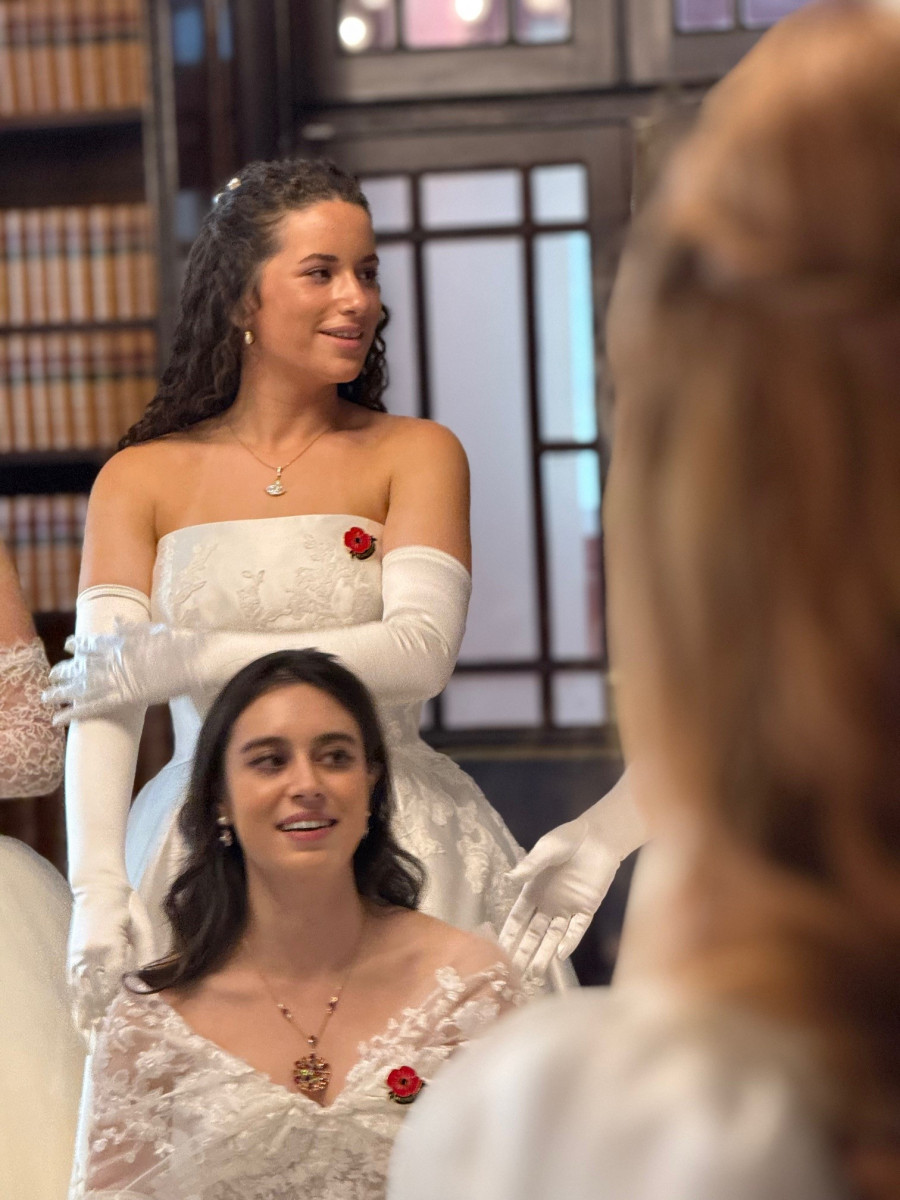
Each debutante is formally presented as part of a longstanding British tradition, marking an formal presentation in keeping with longstanding British ceremonial tradition within some of the Season’s most distinguished venues.

The Grand Ball

DANCING & CELEBRATION

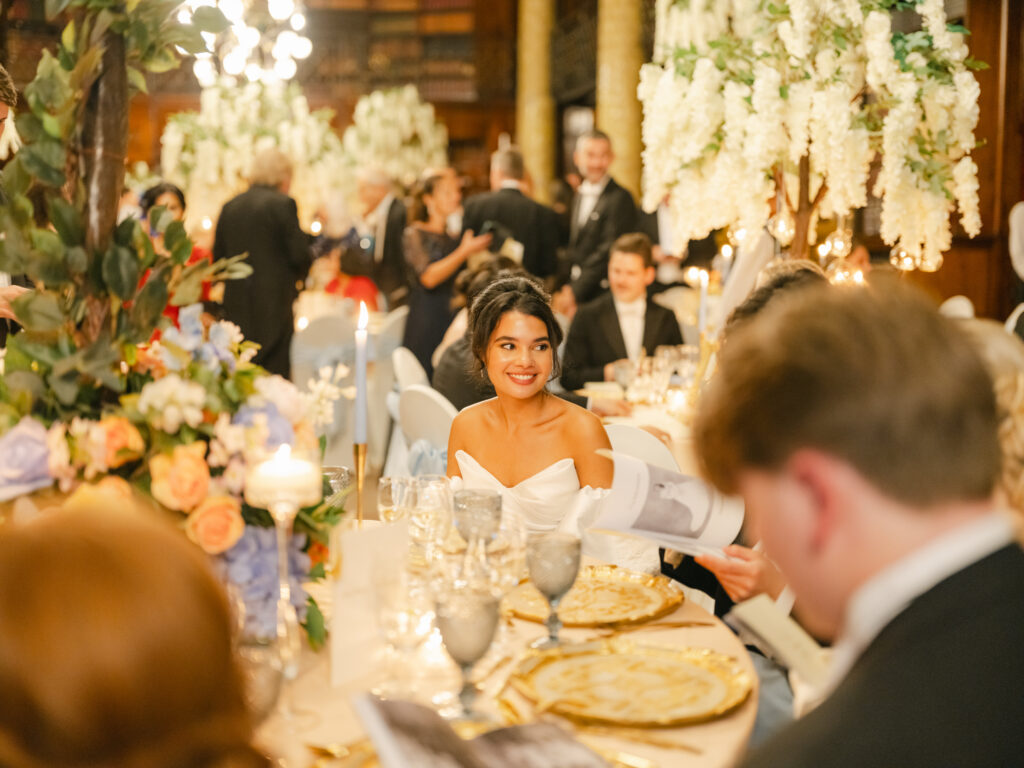
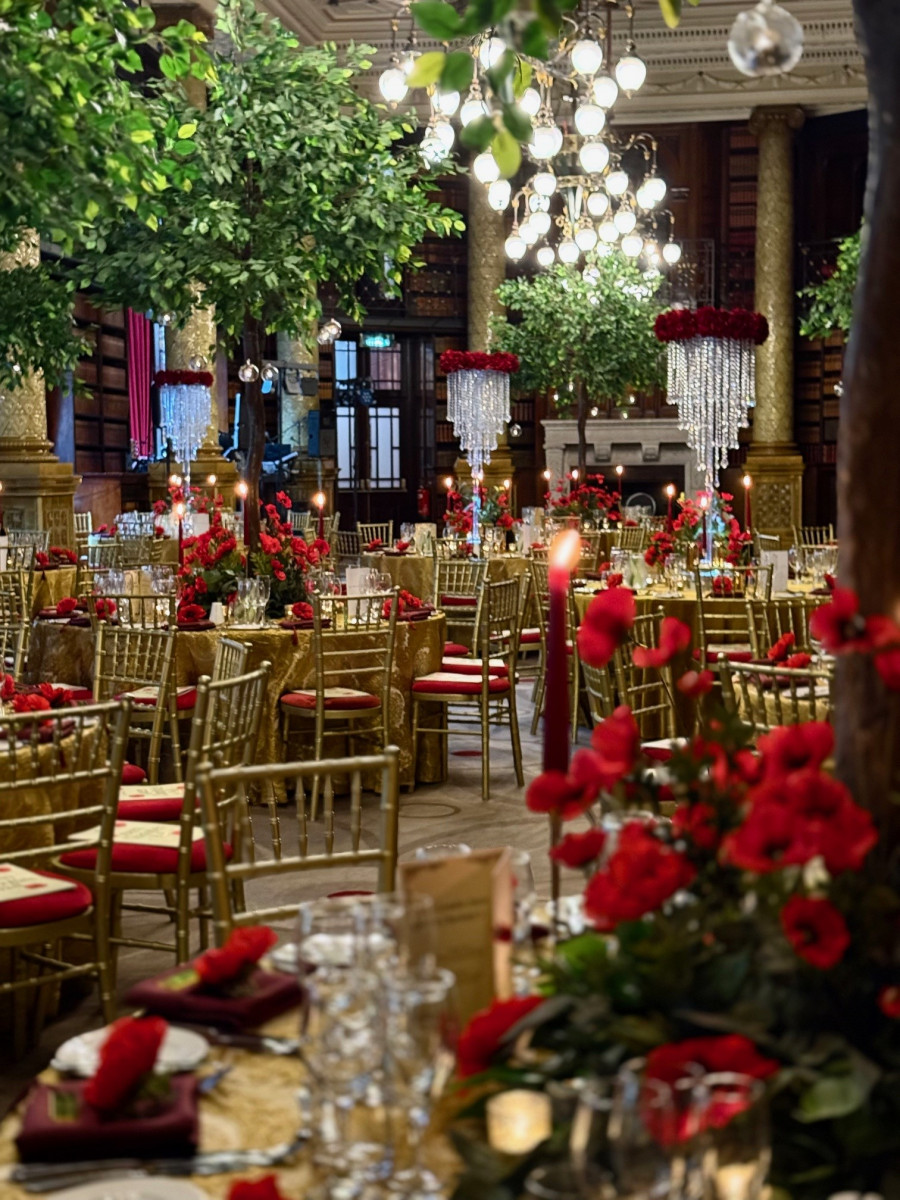
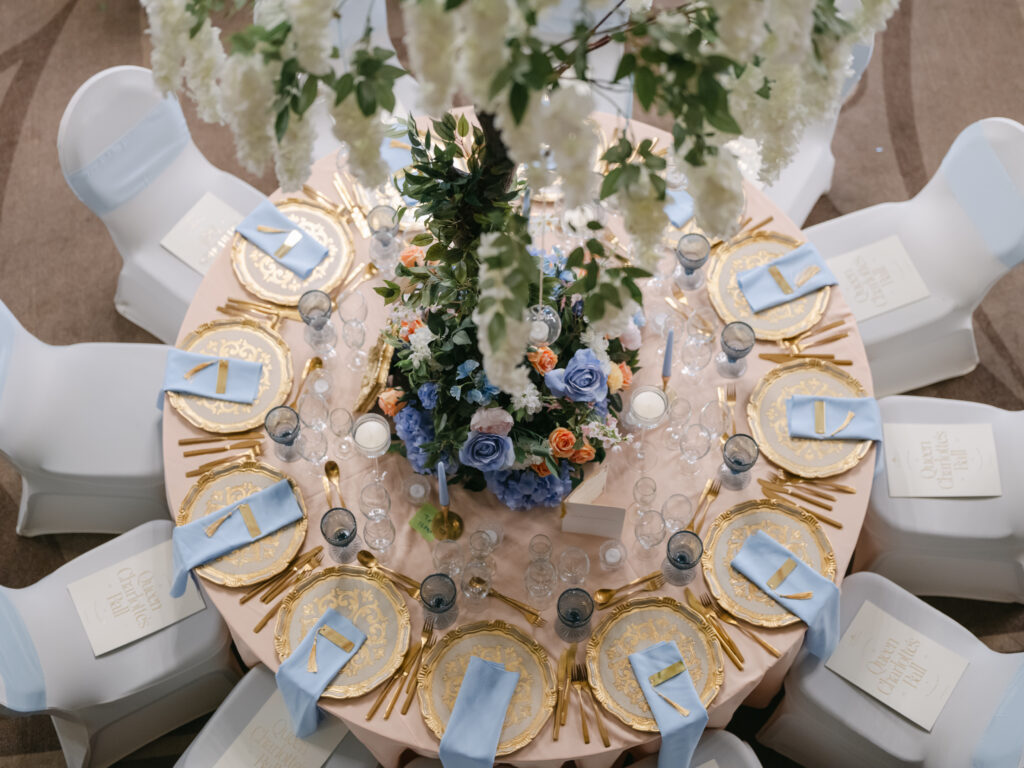
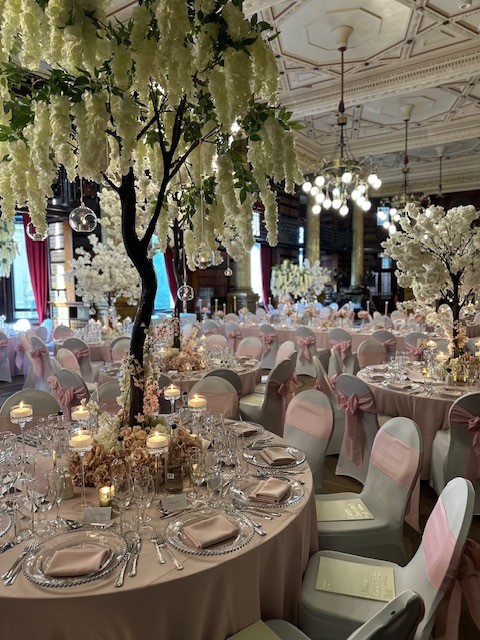
The evening culminates in a formal Grand Ball featuring traditional dancing, dining, and celebration within historic surroundings. featuring traditional waltzing, fine dining, and celebration within elegant historic surroundings.

———— The Evening ————

Moments from the Evening

Traditions of the Ball

The Grand Entrance

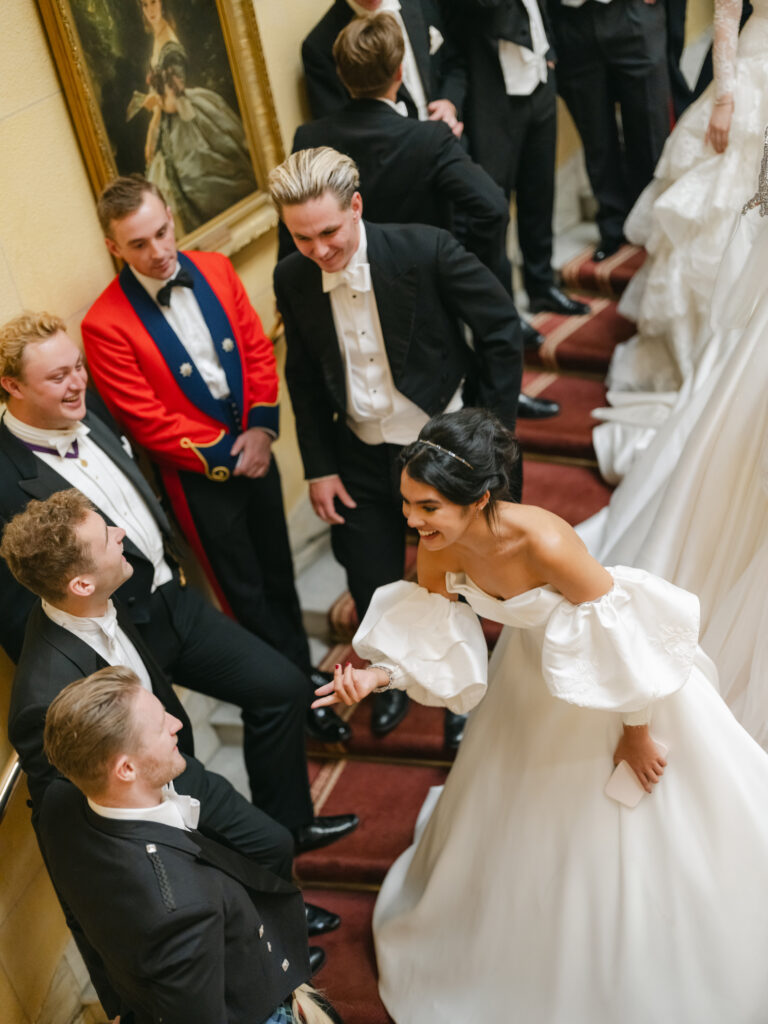
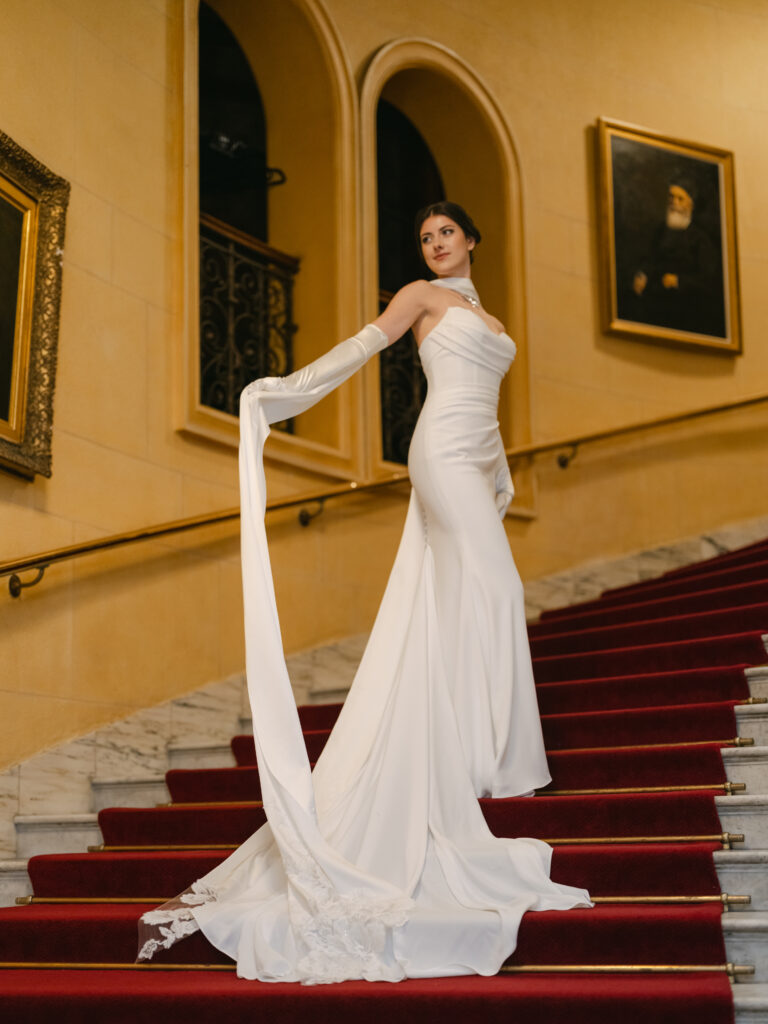
Debutantes descend the historic staircase of Highclere Castle before the formal proceedings of the evening begin..

The First Dance

The traditional first waltz marks the formal beginning of the ball, as debutantes and their partners glide across the traditional first waltz formally opens the evening within the historic State Rooms.

The Presentation

Each young lady is formally presented to invited guests and patrons, continuing a tradition that links the present day to the court of Queen Charlotte in 1780.